Fungus
Overview
Fungi are nature's decomposers, recycling ecosystem nutrients. Distinct from plants and animals, fungi are everywhere on Earth, including the water, soil, air, and our bodies.
The fungal kingdom includes more than 1 million species, such as molds, mushrooms, and yeasts. But in this diverse group are also fungi that produce toxins in food and ones that trigger allergic reactions and asthma attacks. When certain fungi species become overgrown in or on humans, that can lead to disorders like yeast infections, ringworm, and athlete's foot.
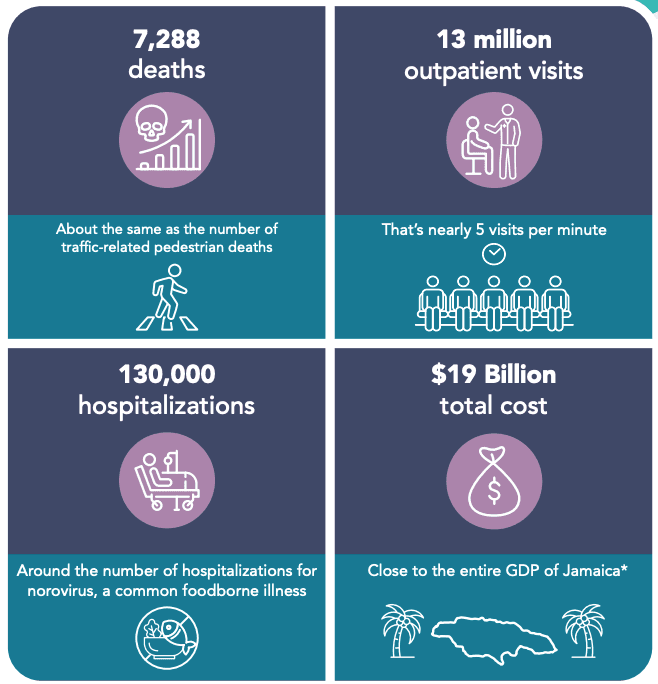
Fungal diseases are increasing worldwide due to factors such as climate change and the increase in international travel and trade. They cost the US around $19B annually and cause around 130,000 hospitalizations each year. Although most fungal pathogens, when inhaled, are easily cleared from the human body in otherwise healthy people, individuals with compromised immune systems are at particular risk. In hospitals, fungal pathogens may persist on surfaces and equipment and in the air without strict sanitation practices and then spread easily among vulnerable people.
1440 Findings
Hours of research by our editors, distilled into minutes of clarity.



Explore Health & Medicine
Indulge your curiosity, from the inner workings of our bodies and minds to the latest in medical research and treatments, all aimed at enhancing your understanding of health, wellness, and medicine. Our resources are meticulously curated to offer precise and pertinent information to anyone interested in learning more about the medical sciences.