Human Genome Project
Overview
The Human Genome Project was an international collaboration to map all the genetic information found in humans and several organisms of importance in biological research. The HGP was proposed in the mid-1980s as a joint initiative by the National Institutes of Health and the US Department of Energy to identify the genetic cause of illnesses and the genetic effects of radiation and energy-related chemicals.
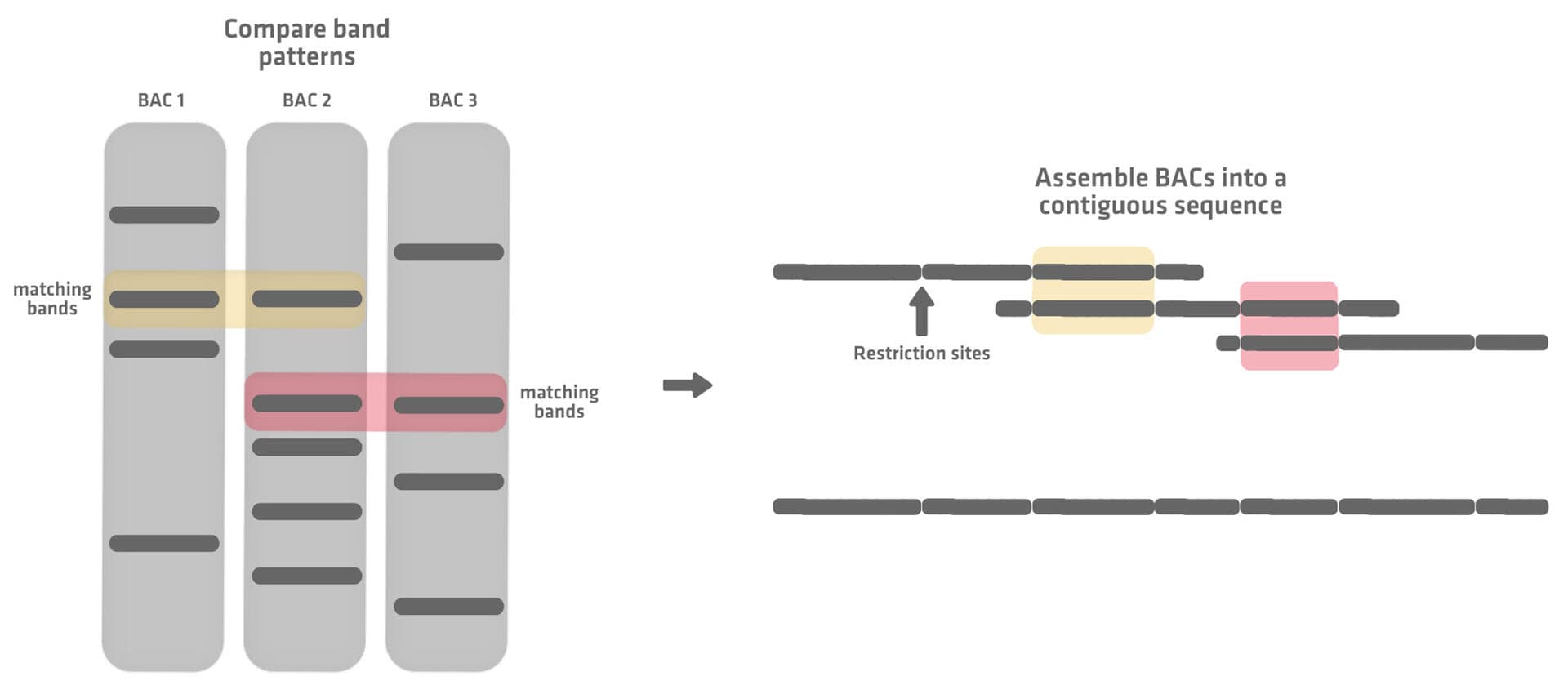
From 1990 to 2003, more than 2,000 scientists from universities and research facilities worldwide sequenced more than three billion base pairs of a genetic tapestry built from 20 individuals from Buffalo, New York. The composite genome was cut into fragments, which were sent to 20 sequencing centers across the US, the UK, China, France, Germany, and Japan. At these centers, the fragments were processed and combined on computers to reassemble the entire genome.
The HGP is credited with accelerating bioinformatics by forcing the development of genome browsers and databases and promoting faster, less expensive sequencing methods. It would end with the publication of a 92% complete human genome sequence, which was finalized using new technologies in 2022.
1440 Findings
Hours of research by our editors, distilled into minutes of clarity.


Explore Health & Medicine
Indulge your curiosity, from the inner workings of our bodies and minds to the latest in medical research and treatments, all aimed at enhancing your understanding of health, wellness, and medicine. Our resources are meticulously curated to offer precise and pertinent information to anyone interested in learning more about the medical sciences.