Seasonal Affective Disorder
Overview
Seasonal affective disorder is a form of depression that repeats during predictable seasonal shifts, impacting an estimated 5% of the global population—predominantly women. The condition typically stems from significant cyclical changes in daylight hours, with prevalence increasing in regions north of 40 degrees latitude (and less commonly in the Southern Hemisphere). Its etiology—or root cause—remains unclear to researchers.
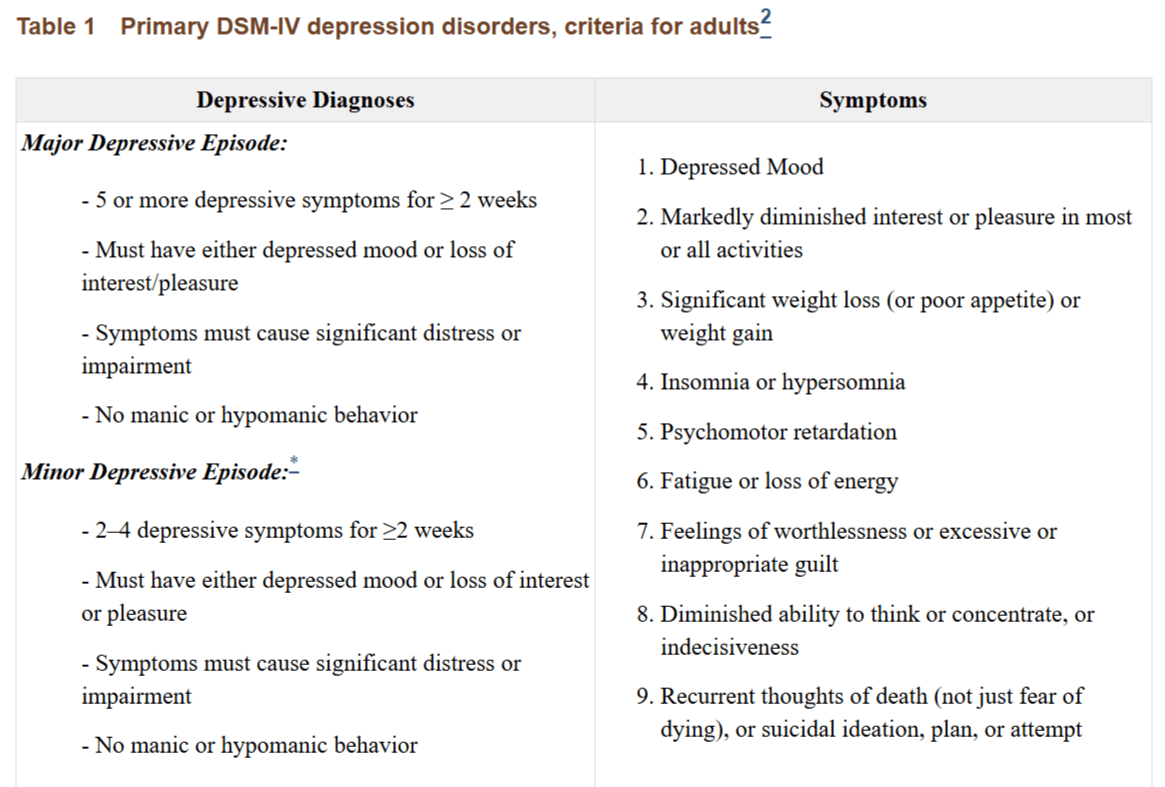
Though “winter blues” are commonly reported, SAD is a distinct, diagnosed subtype of major depressive disorder first formally described in 1984. Key symptoms—lasting roughly four months each year—resemble common depression: fatigue, increased sleep, carbohydrate cravings, and social withdrawal. Researchers argue most cases develop from a circadian rhythm phase delay disorder resulting from reduced daylight, disrupting the production of serotonin and melatonin—key neurotransmitters that regulate mood. SAD often arises as part of a broader complex of mood conditions.
Effective forms of treatment include bright light therapy—where individuals bask in strong artificial light for at least 30 minutes each morning—cognitive behavioral therapy (attempting to rewire negative thoughts about winter), and antidepressants like bupropion.
1440 Findings
Hours of research by our editors, distilled into minutes of clarity.


Explore Health & Medicine
Indulge your curiosity, from the inner workings of our bodies and minds to the latest in medical research and treatments, all aimed at enhancing your understanding of health, wellness, and medicine. Our resources are meticulously curated to offer precise and pertinent information to anyone interested in learning more about the medical sciences.