Pregnancy
Overview
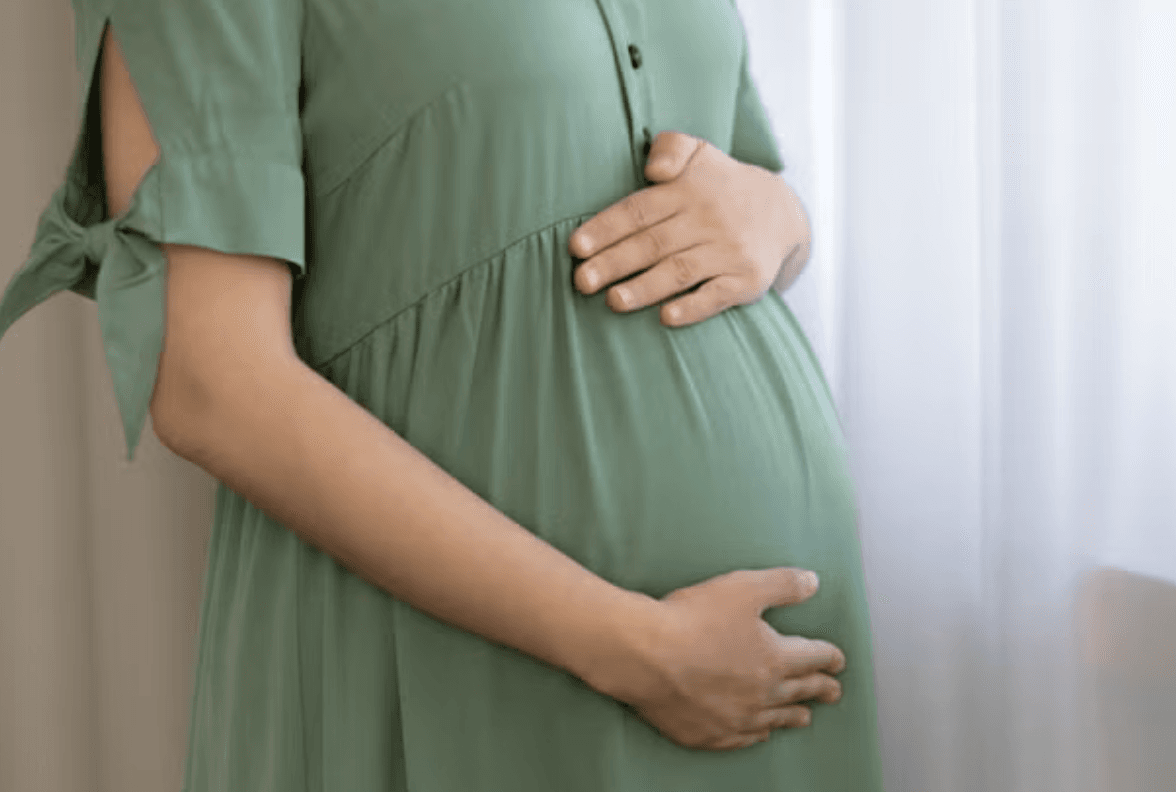
Pregnancy is the roughly 280-day journey from conception to birth that powers the continuation of the human species. After sperm meets egg and the resulting blastocyst embeds in the uterine lining, the human body undergoes significant physiological changes to support the growth and development of this cluster of cells, enabling it to become an embryo and then a fetus.
Pregnancy triggers changes to every organ in a pregnant woman's body. As the uterus expands, abdominal organs shift; heart rate increases as it pumps more blood; feet may grow larger; and brain areas heavily involved in processing information and emotions shrink by an average of 5%. Along the way, some women experience symptoms including nausea, mood swings, heightened sense of smell, congestion, and shortness of breath. In 2023, roughly 3.6 million babies were born in the United States.
In the US, miscarriage is the most common complication of pregnancy, occurring in as many as 20% of pregnancies—or roughly 1 million cases annually. There are also around 21,000 stillbirths each year, and the same number of deaths during an infant's first year of life.
1440 Findings
Hours of research by our editors, distilled into minutes of clarity.








Explore Health & Medicine
Indulge your curiosity, from the inner workings of our bodies and minds to the latest in medical research and treatments, all aimed at enhancing your understanding of health, wellness, and medicine. Our resources are meticulously curated to offer precise and pertinent information to anyone interested in learning more about the medical sciences.