US Congress
Overview
Established under Article I of the US Constitution, Congress is the legislative branch of the federal government, consisting of two chambers: the House of Representatives and the Senate. Created by the Great Compromise of 1787, this bicameral structure balances population-based representation with equal representation for each state.
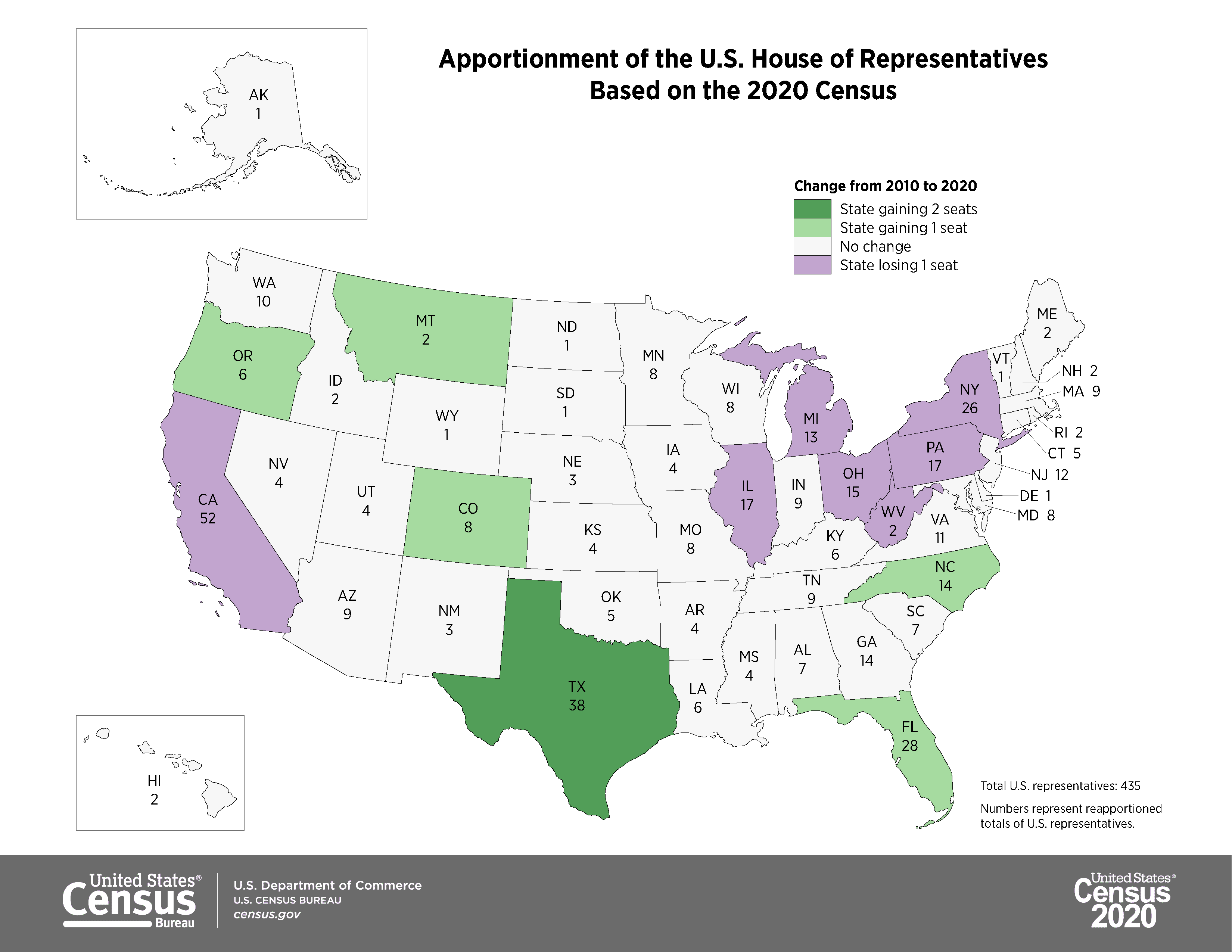
The House has 435 voting members, with seats apportioned by population and members elected every two years. The Senate has 100 members—two per state—serving staggered six-year terms. The chambers meet in the US Capitol in Washington, DC, and share responsibility for drafting, debating, and passing federal legislation.
Congress holds core powers, including the authority to tax and spend, oversight of the executive branch, and the power to impeach. The Senate's powers include confirming certain presidential appointments, ratifying treaties, and conducting impeachment trials for federal officials. Bills must pass both chambers before reaching the president. In recent decades, rising polarization, narrow majorities, and procedural hurdles—especially the Senate filibuster—have made passing legislation more difficult, contributing to legislative gridlock.
1440 Findings
Hours of research by our editors, distilled into minutes of clarity.


Explore Civics
An informed citizenry is the backbone and bulwark of a vibrant democracy. From the principles behind the founding of the country to the forces that shaped our modern institutions, explore the most illuminating and insightful Civics resources from across the internet.