World War II
Overview
World War II was a global conflict from 1939 to 1945, involving over 50 countries and 100 million mobilized military personnel. The war became the largest conflict in human history in terms of geographic scale and human cost, with an estimated 70 million to 85 million fatalities—including over 50 million civilians.
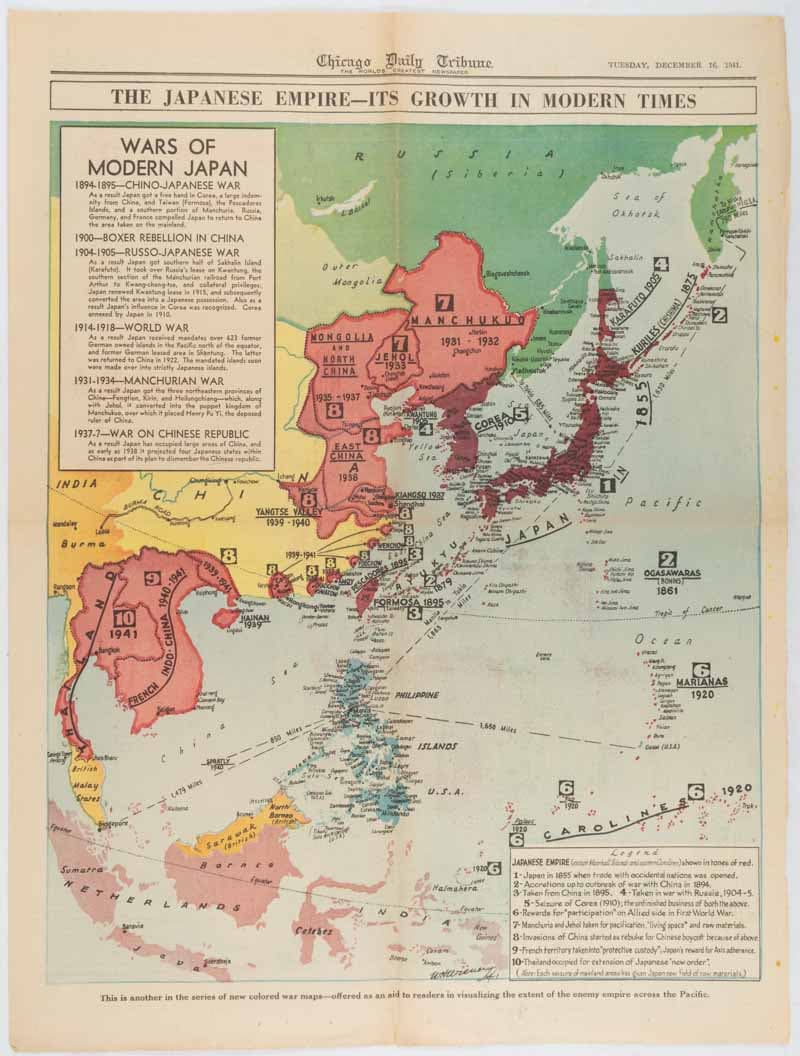
The roots of World War II lie in the punitive 1919 Treaty of Versailles, which disarmed Germany, imposed steep reparations, and forced it to accept sole blame for World War I. As the Great Depression challenged the liberal democratic order, militant nationalist movements looking to expand their territories emerged: Benito Mussolini's fascism in Italy, Adolf Hitler's National Socialism (or Nazism) in Germany, and Imperial Japan.
World War II's end launched the Cold War, pitting the United States against the Soviet Union and reshaping global geopolitics into competing ideological blocs. The war's unprecedented destruction and the horror of Axis war crimes—most notably the Holocaust—sparked a moral imperative to prevent future atrocities.
1440 Findings
Hours of research by our editors, distilled into minutes of clarity.


Explore World History
Weave together the many narratives of world history with our highly curated and expanding selection of diverse, fascinating resources designed to showcase the breadth and richness of Earth's story, from the earliest traces of human civilization to the dramatic developments of contemporary cultures.