Montreal Protocol
Overview
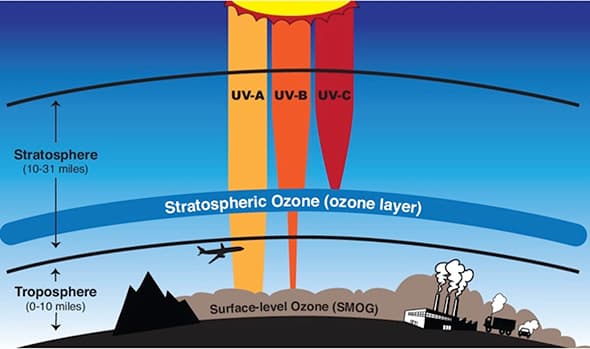
The Montreal Protocol, established in 1987, is a landmark international treaty aimed at phasing out and banning substances that break apart ozone molecules. These molecules, which make up the ozone layer, block about 98% of harmful ultraviolet radiation from the sun, but can be destroyed by atoms released by chlorofluorocarbons and other chemicals. The 1985 discovery of a growing hole in the ozone layer over Antarctica caused by CFCs prompted the agreement, which became the first treaty ratified by every UN member state in history.
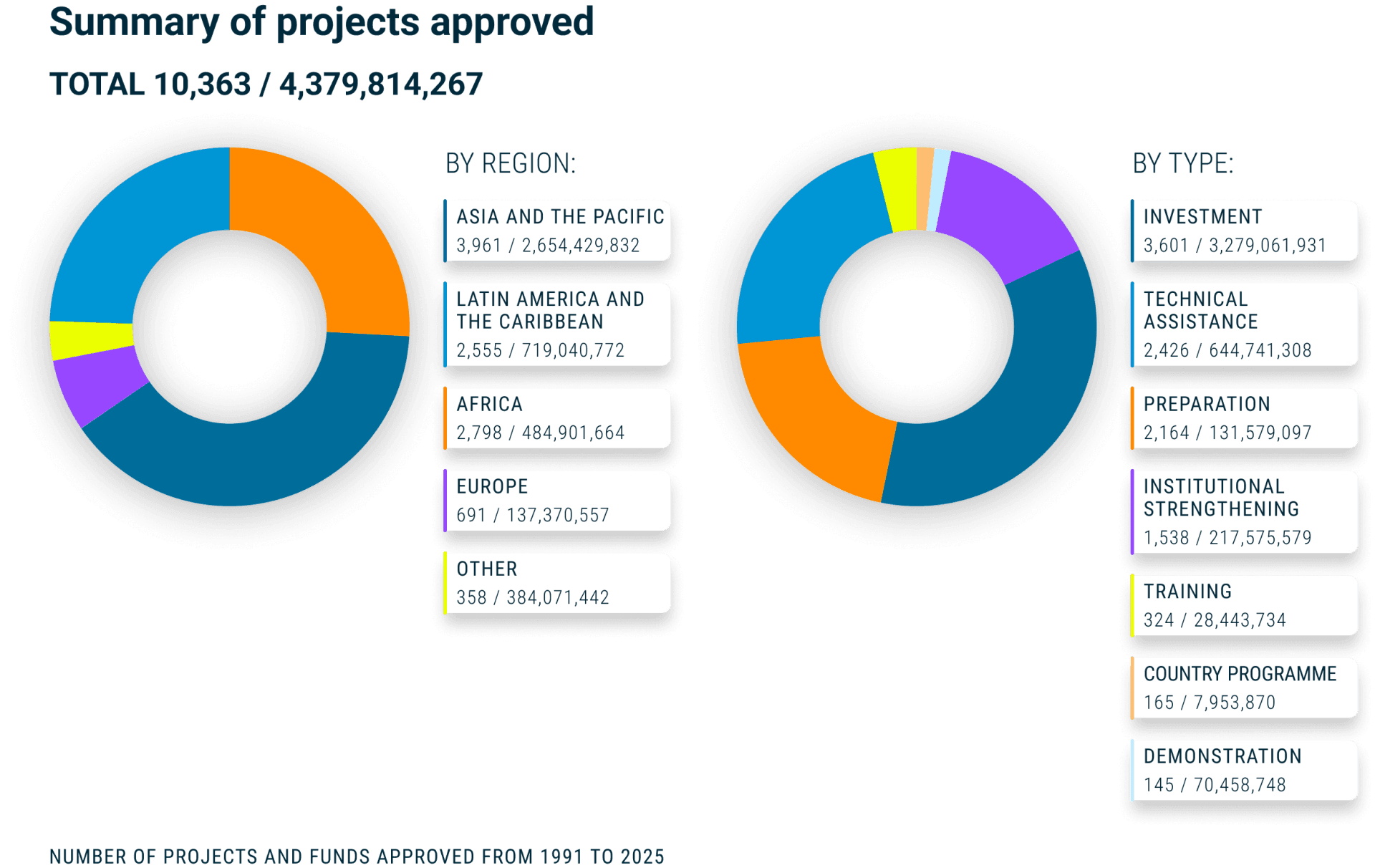
The protocol established timelines for the phasing out of various ozone-depleting substances, which had been widely used as refrigerants, insulating foams, and solvents in industrial processes. It also set differentiated phase-out schedules for different countries and created a multilateral fund to support developing nations' transition to safer technologies.
Since its adoption, five major amendments have expanded the treaty to include additional ozone-depleting substances and, eventually, potent greenhouse gases like hydrofluorocarbons. It is widely credited with reversing global ozone depletion and is projected to restore the ozone layer to 1980 levels by about 2070. It also prevented an estimated 135 gigatons of carbon dioxide-equivalent emissions, making it one of the most successful climate mitigation efforts in history.
1440 Findings
Hours of research by our editors, distilled into minutes of clarity.


Explore World History
Weave together the many narratives of world history with our highly curated and expanding selection of diverse, fascinating resources designed to showcase the breadth and richness of Earth's story, from the earliest traces of human civilization to the dramatic developments of contemporary cultures.