George Washington
Overview
George Washington, the first president of the United States, was central to America's founding—both as the military leader who secured independence and as the political leader who stabilized the new republic. With limited formal education, he began working as a professional surveyor at age 17, mapping frontier lands in Virginia. That early experience led to a military career, including a key role in catalyzing the French and Indian War.
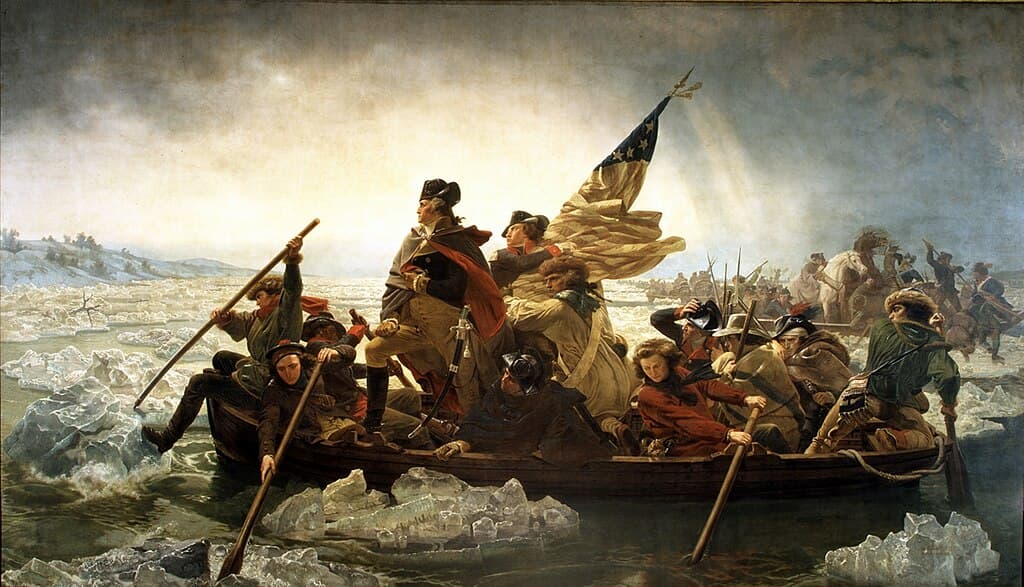
As commander in chief of the Continental Army during the Revolutionary War, Washington held together an underfunded, divided force against Great Britain, arguably the world's most powerful empire at the time. He avoided decisive defeat, managed fragile alliances, enforced civilian control of the military, and endured years of setbacks until the colonies' eventual victory. Washington later presided over the 1787 Constitutional Convention.
As the nation's first president, Washington implemented a new constitutional framework, maintained neutrality during wars between Britain and France, and contained partisan infighting, regional tensions, and domestic rebellion. After serving two terms, Washington voluntarily stepped aside, a precedent that lasted over a century and was later enshrined in the Constitution by the 22nd Amendment. Washington's legacy is complicated by his ownership of more than a hundred slaves during his lifetime. In his will, he provided for the emancipation of all the enslaved people he personally owned—an uncommon step among slave-owning Founders.
1440 Findings
Hours of research by our editors, distilled into minutes of clarity.

Explore Civics
An informed citizenry is the backbone and bulwark of a vibrant democracy. From the principles behind the founding of the country to the forces that shaped our modern institutions, explore the most illuminating and insightful Civics resources from across the internet.