Pontifical Academy of Sciences
Overview
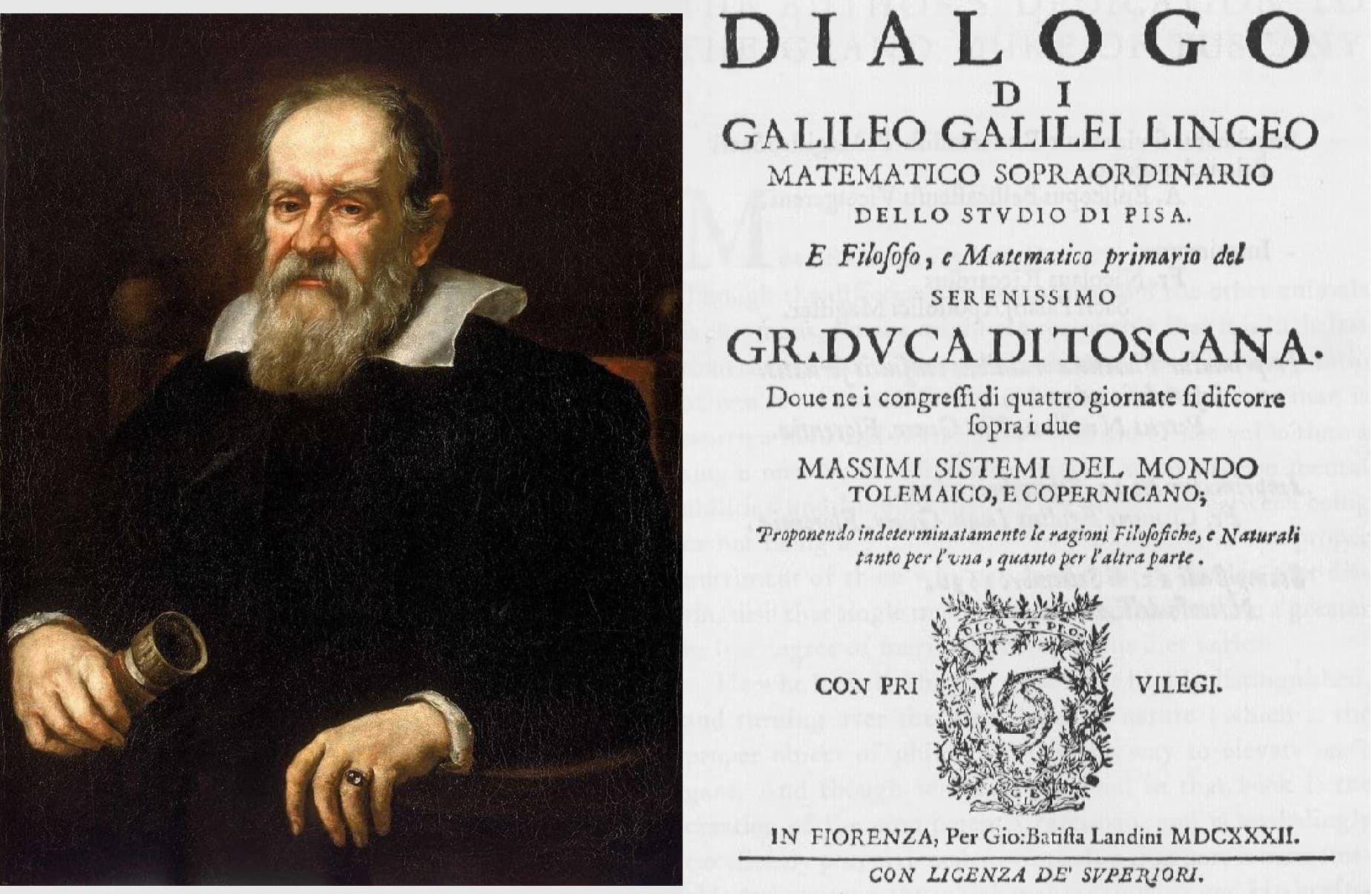
The Pontifical Academy of Sciences is the Vatican's scientific advisory board. Established in 1603 as the Academy of Lynxes, named for the sharp eyes needed to understand nature, it was refounded and rebranded in its current form in 1936. It has promoted progress in the mathematical, physical, and natural sciences and provided guidance to the pope on issues such as nuclear power, biotechnology, climate change, and AI.
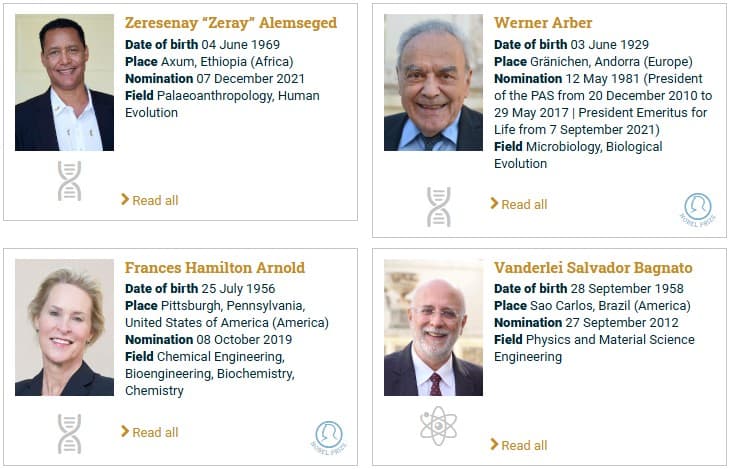
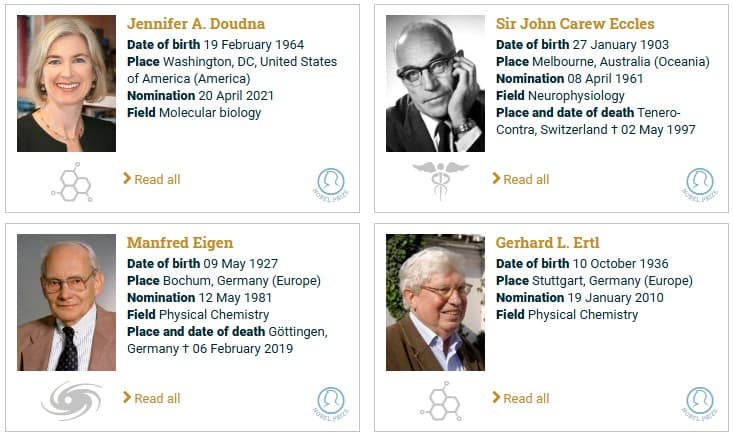
The academy primarily consists of 80 Pontifical Academicians—individuals with outstanding scientific achievements and moral character chosen by the body and appointed by the pope to lifetime positions, regardless of faith. Academicians and honorary members have included Protestant, Jewish, Hindu, Muslim, and atheist scholars, as well as renowned scientists, such as Alexander Fleming (discovered penicillin), Max Planck (originated quantum theory), Ernest Rutherford (father of nuclear physics), and Georges Lemaître (proposed the Big Bang).
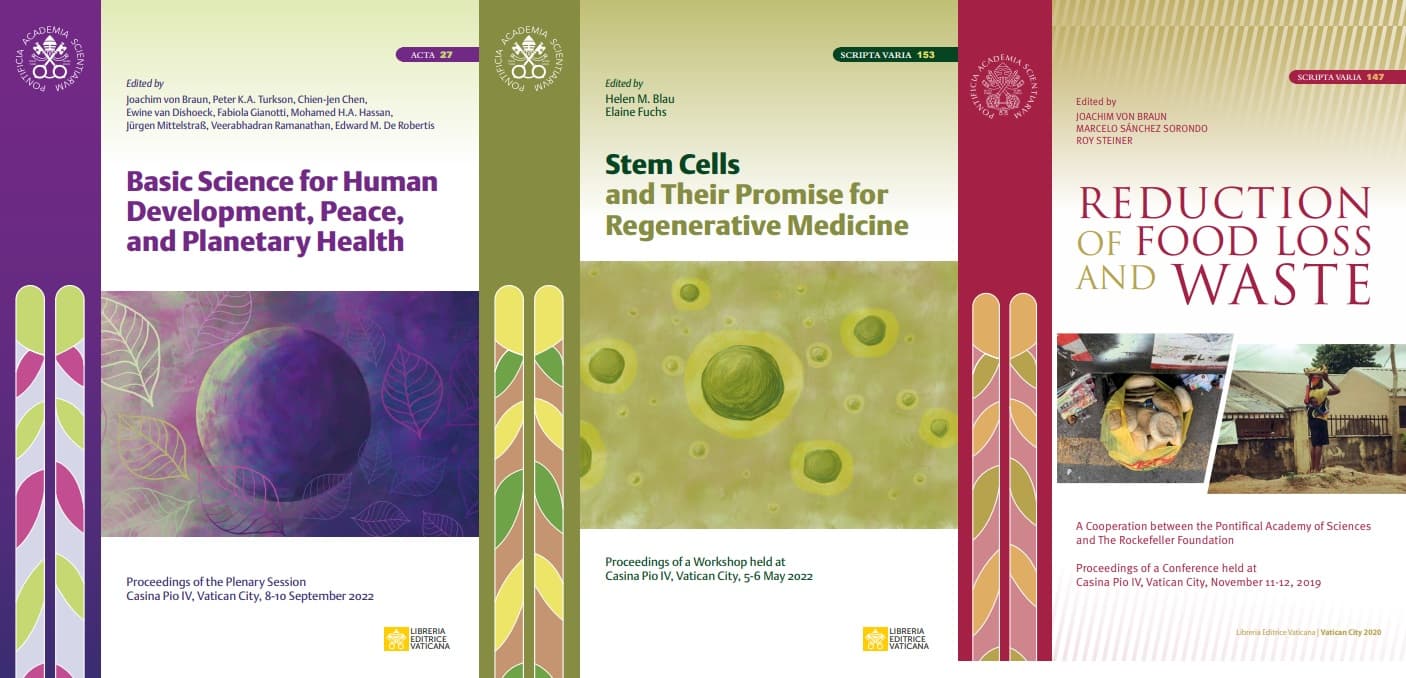
To accomplish its goals, the academy holds plenary sessions, organizes meetings, and arranges conferences among its members on topics in fundamental science, global problems, the developing world, scientific policy, bioethics, and epistemology. These deliberations have produced several open-access publication series spanning over 185 combined volumes. It also collaborates with other papal institutions, such as the Pontifical Academy of Social Sciences.
1440 Findings
Hours of research by our editors, distilled into minutes of clarity.





You've reached the end
Explore Science & Technology
Dive into the dynamic world of science and technology, where curiosity has brought about extraordinary understandings of the universe and creativity has led to the breakthroughs and innovations that have transformed our world. Explore a wide range of topics, from the natural and physical sciences to cutting-edge technologies and the people who shaped them, each of which is accompanied by carefully curated resources meant to inform, engage, and inspire those eager to uncover the nature of reality.
Featured Topics
- 3D Printing
- Algae
- Algorithms
- Asteroids
- Atoms
- Auroras
- Batteries
- Big Bang
- Bill Nye
- Biological Cells
- Bioluminescence
- Bioremediation
- Biosphere 2
- Black Holes
- Calculators
- Chaos Theory
- Climatology
- Comets
- Computer Viruses
- Coral Reefs
- Critical Minerals
- Crude Oil
- Cryptography
- Dark Energy
- Dark Matter
- Dark Web
- Data Centers
- David Attenborough
- Deep-Sea Mining
- Deepfakes
- Dinosaurs
- DNA
- Earth
- Earth's Atmosphere
- Earthquakes
- Eclipses
- El Niño-Southern Oscillation
- Electric Grids
- Electric Vehicles
- Electricity
- Environmental Protection Agency
- Extremophiles
- Fireworks
- Fracking
- General Relativity
- Generative AI
- Geothermal Power
- Grace Hopper
- Graphics Processing Unit
- Greenhouse Gases
- Helium
- Hubble Space Telescope
- Hurricanes
- International Space Station
- Internet
- Invasive Species
- James Webb Space Telescope
- Jupiter
- Keystone Species
- Large Hadron Collider
- Large Language Models
- Lasers
- Light
- Lightning
- LIGO
- Marie Curie
- Mars
- Memory
- Microchips
- Microplastics
- Mixed Reality
- Molecular Gastronomy
- Nancy Roman
- NASA
- National Science Foundation
- Neutron Stars
- Nikola Tesla
- Nobel Prize
- Nuclear Power
- Particle Accelerators
- Photosynthesis
- Plate Tectonics
- Pollinators
- Pontifical Academy of Sciences
- Quantum Computing
- Quantum Mechanics
- Radioactivity
- Rosalind Franklin
- Scientific Theory
- Self-Driving Cars
- Smart Cities
- Solar Power
- Sound
- Space Shuttle
- Space Tourism
- Space Trash
- Standard Model
- Stephen Hawking
- Sun
- Tardigrades
- Tesla
- Time
- Tornadoes
- Tsunamis
- Turbulence
- Viking Project
- Volcanoes
- Voyager Mission
- Water
- Wikipedia
- Wind Power